
Stop Gambling With Buffalo
A Call to Rebuild Real City Wealth
Buffalo, New York, is a city with a powerful history of resilience, industry, and innovation. Yet today, part of the city’s financial stability is tied to gambling revenue from the Seneca Buffalo Creek Casino, operated by the Seneca Nation of Indians through an agreement with the New York State Government.
This reality raises an uncomfortable question:
Why is a city with Buffalo’s history and potential depending on gambling revenue to help stabilize its budget?
For a city built on innovation, infrastructure, and industry, relying on casino revenue should not be the long-term strategy.
This isn’t about attacking casinos or those who work there. It’s about confronting a deeper issue: economic dependence on unstable and morally complicated revenue sources.
For those of us who follow Christ, the issue is also spiritual.
A city cannot build a stable future if its financial foundation depends on systems rooted in chance, addiction, and loss.
How Casino Revenue Became Part of Buffalo’s Budget
In the early 2000s, New York State entered into a gaming compact with the Seneca Nation that allowed casinos to operate in Western New York.
In exchange for exclusive gaming rights in the region, the Seneca Nation agreed to share a percentage of slot machine revenue with the state. The state then distributes portions of that money to local governments, including Buffalo.
Because the casino sits within city limits, Buffalo receives millions of dollars annually from these payments.
Over time, those funds were incorporated into the city’s operating budget.
That means when disputes occur between the Seneca Nation and the state—as has happened before—the payments can stop or be delayed. When that happens, Buffalo faces sudden budget gaps.
The city’s financial stability becomes tied to gambling revenue it does not control.
That should concern anyone who believes in responsible stewardship.
Buffalo Was Not Built on Gambling
Buffalo once had one of the strongest economies in the United States. That wealth came from real assets and productive systems.
The Erie Canal: America’s Trade Gateway
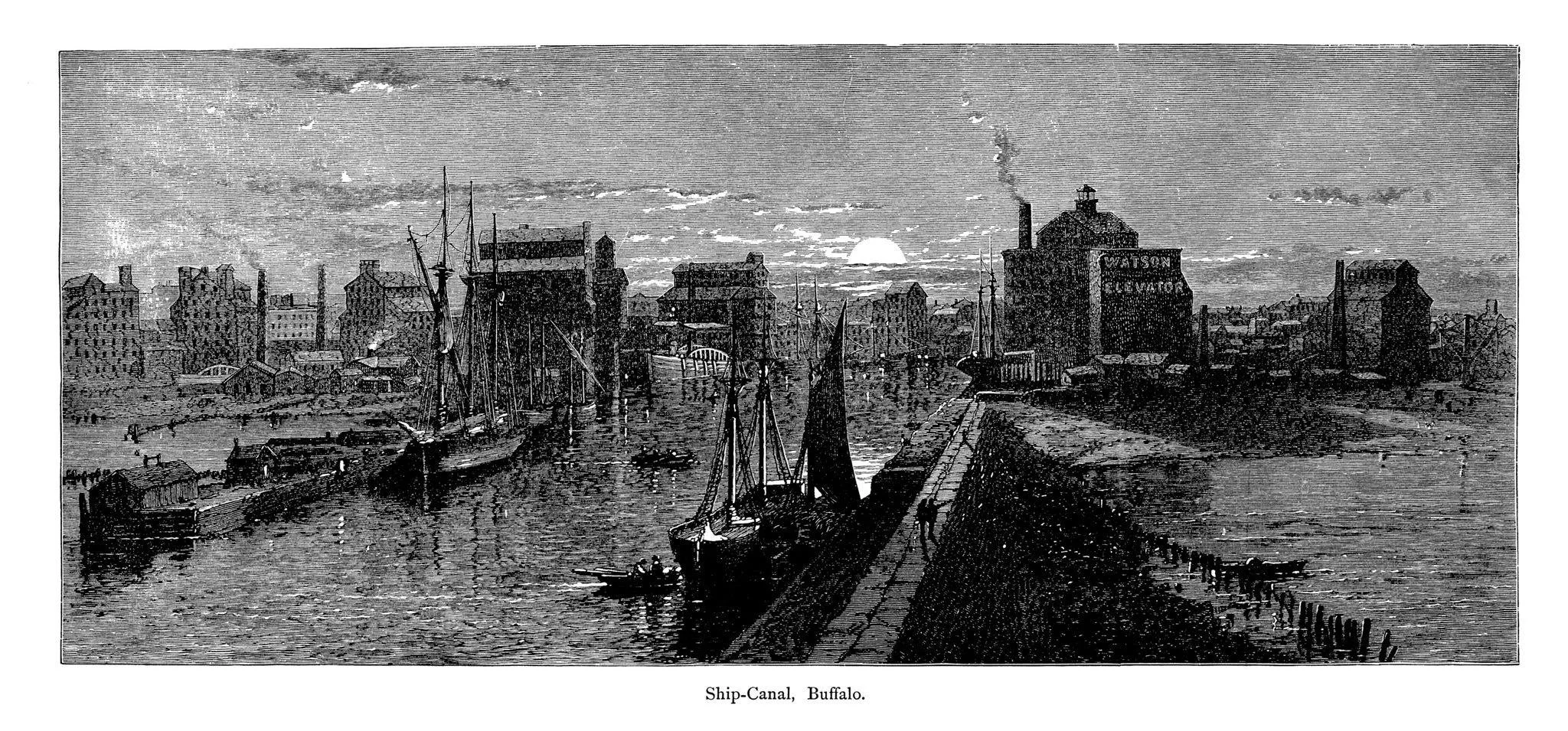
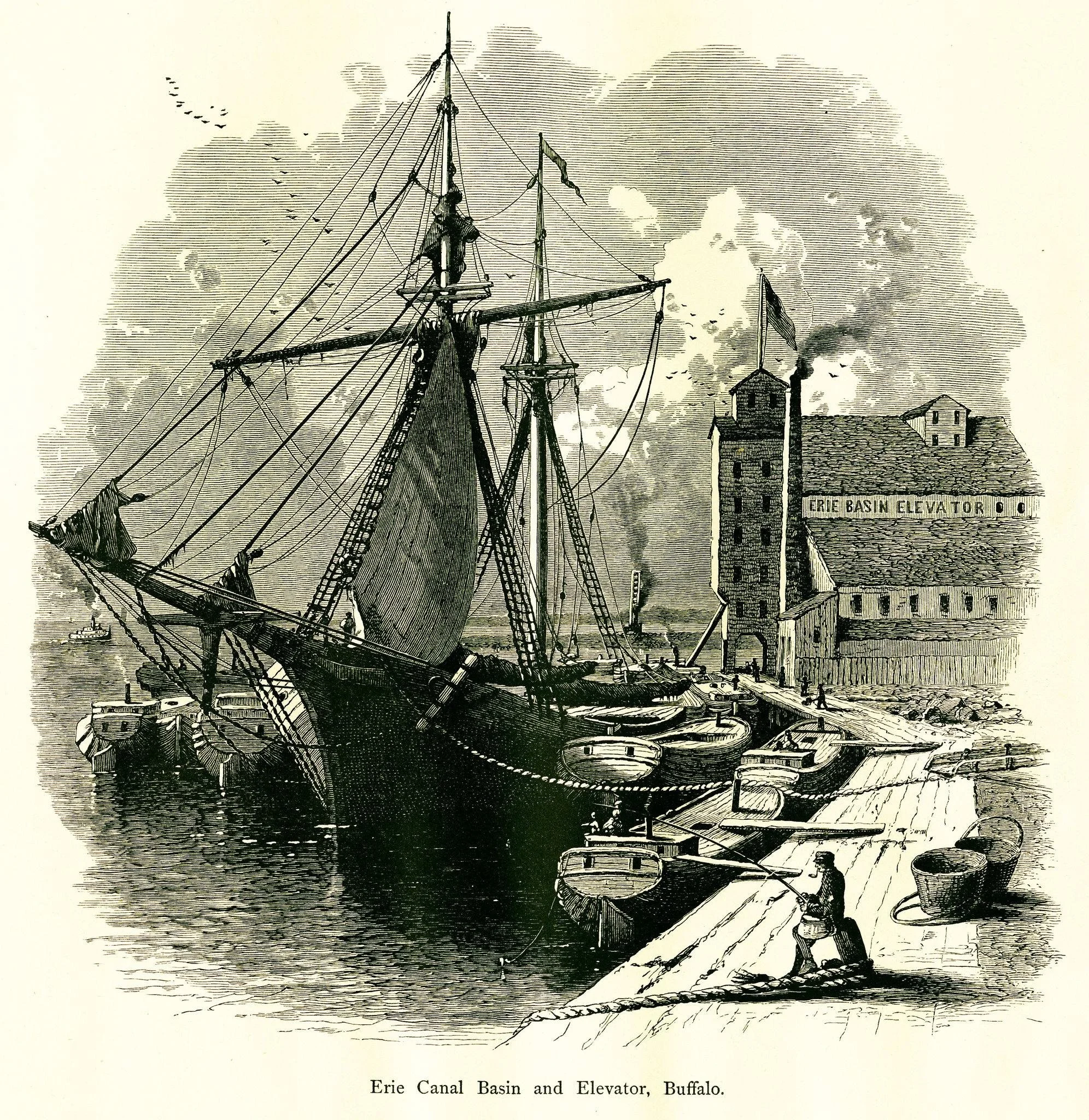
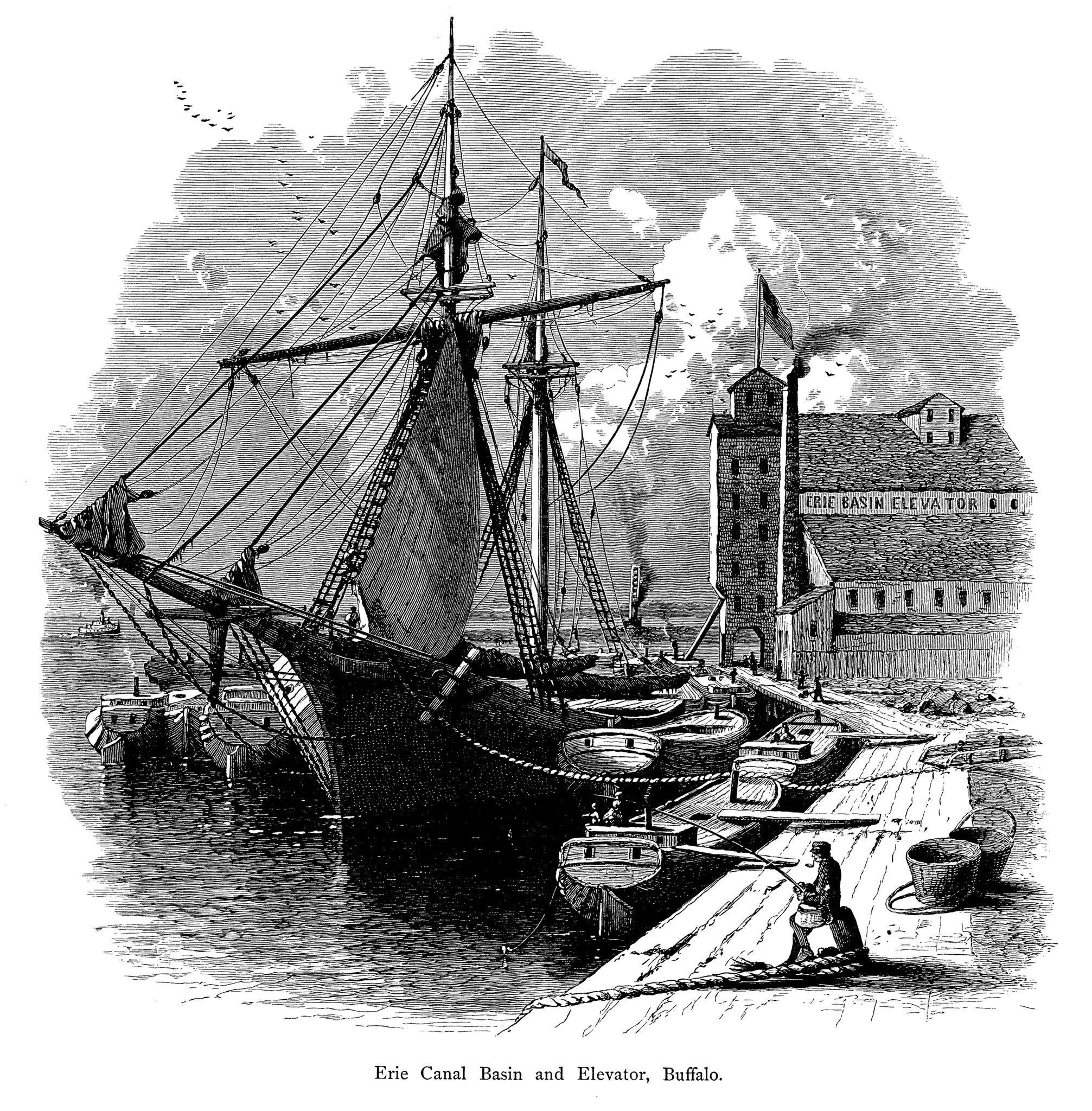
When the Erie Canal opened in 1825, Buffalo became the western gateway between the Great Lakes and the Atlantic Ocean.
Every major shipment moving between the Midwest and the East Coast passed through Buffalo.
Grain, lumber, coal, and manufactured goods all flowed through the city’s port.
Buffalo didn’t profit from chance.
It profited from facilitating real trade. It profited from being useful.
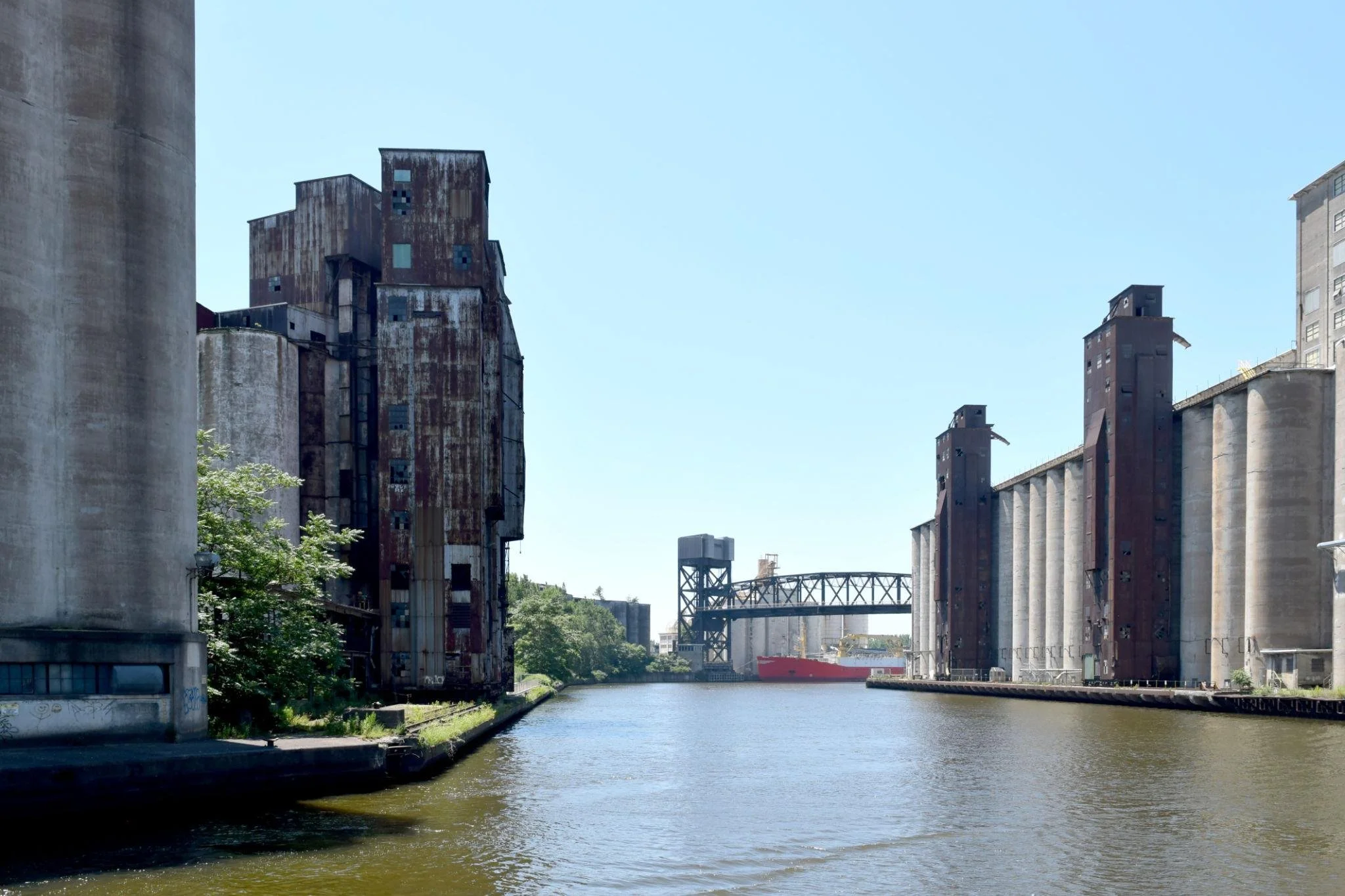
At one point, Buffalo became the largest grain port in the world, supported by massive grain elevators and shipping infrastructure that revolutionized global commerce
Hydropower and Industrial Growth
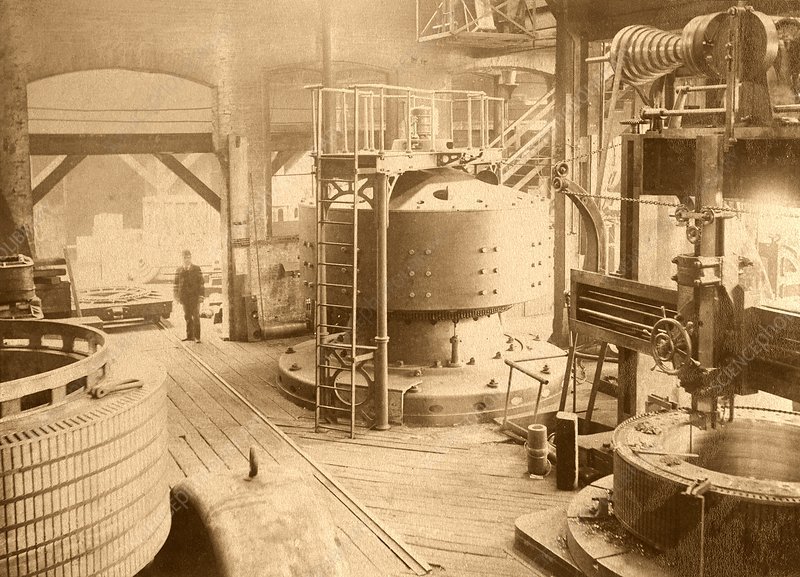
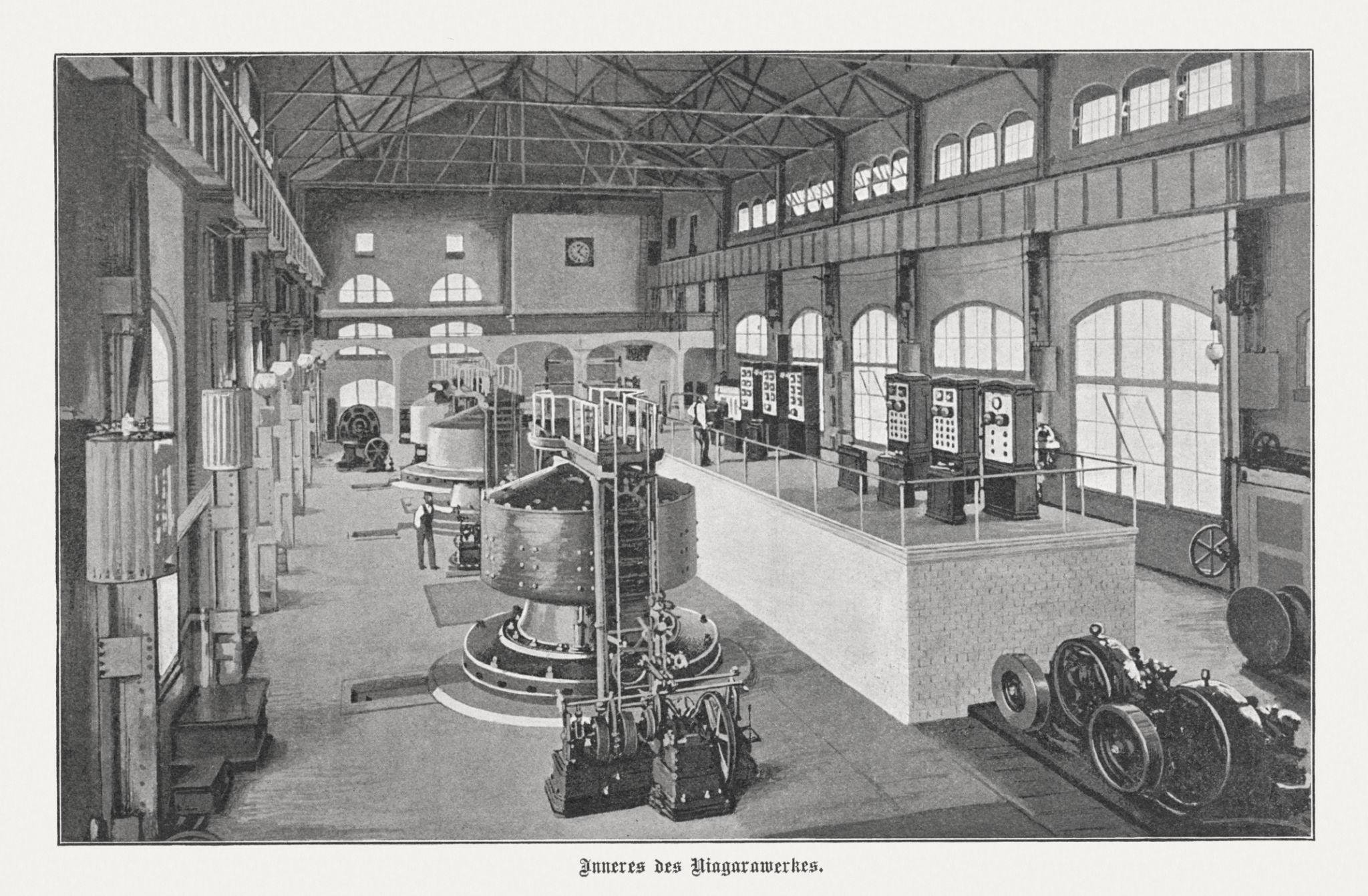
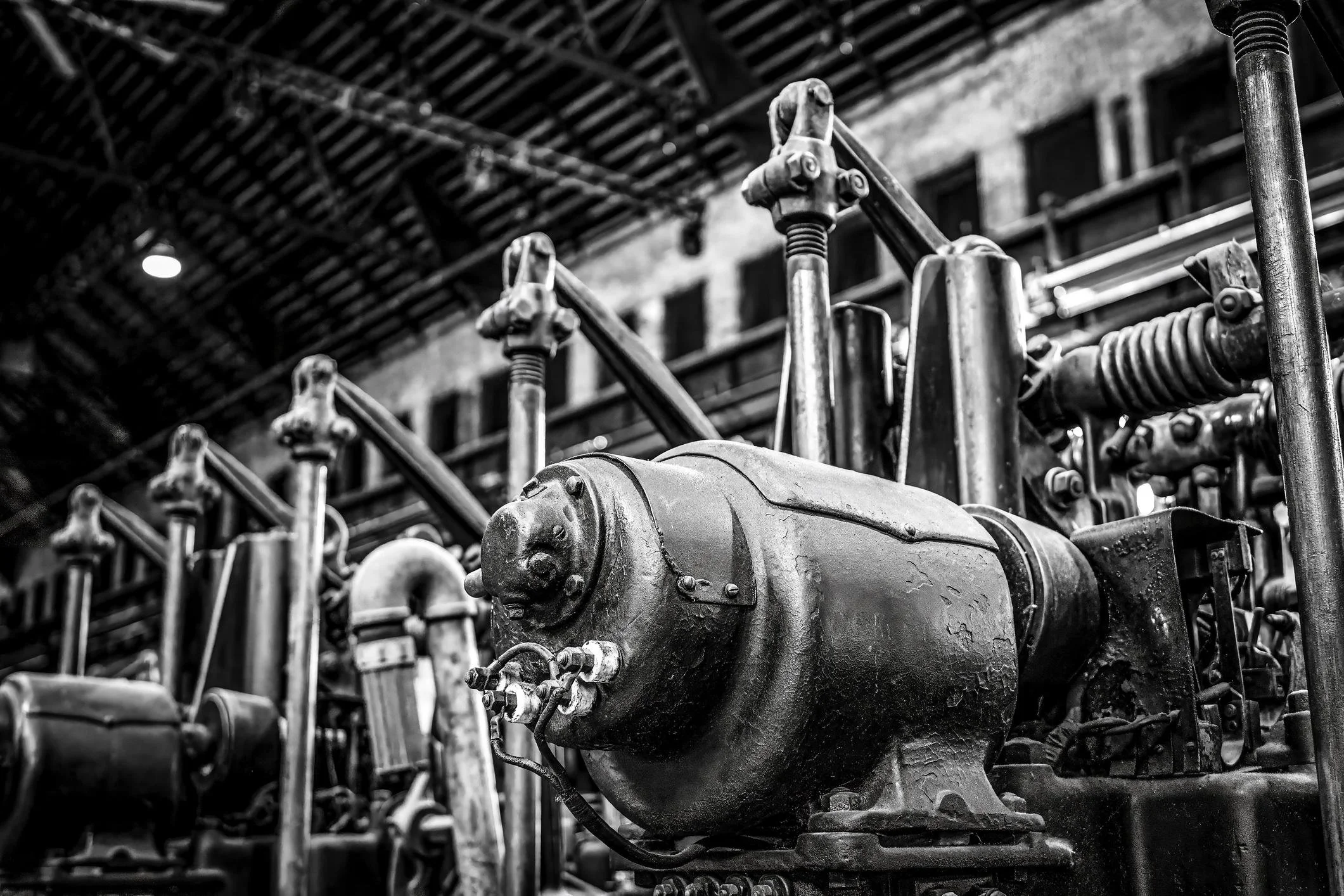
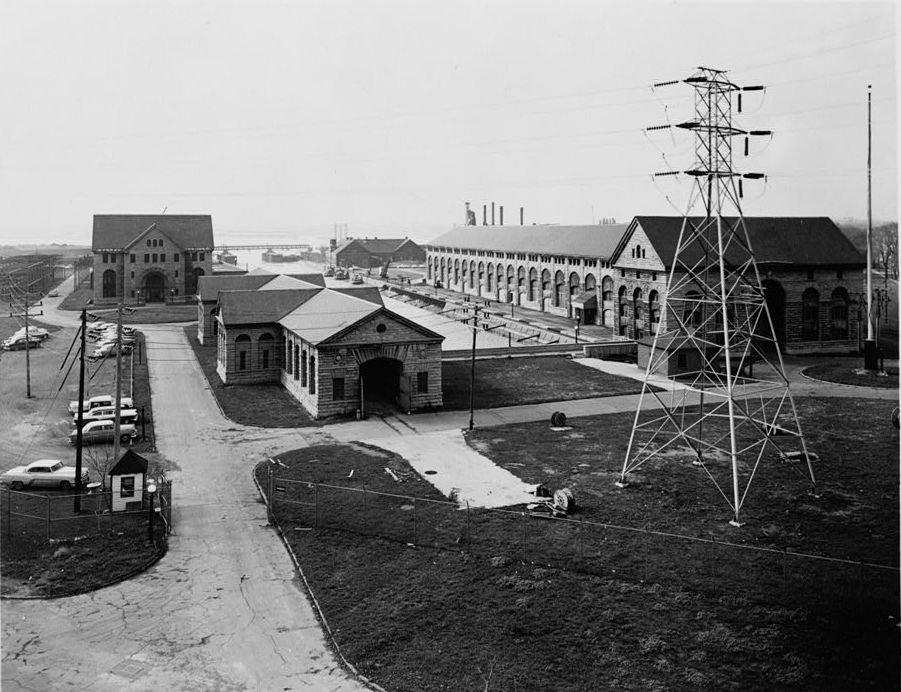
Buffalo’s rise was also fueled by hydroelectric power generated at Niagara Falls.
The pioneering power system designed by Nikola Tesla and implemented by George Westinghouse allowed electricity from Niagara Falls to power factories throughout the region.
Cheap electricity attracted manufacturing companies, turning Buffalo into one of the first electrified industrial cities in the world.
The city’s wealth was built on three things:
• infrastructure
• energy
• productive industry
These are the foundations of a healthy economy.
What Changed
Buffalo’s industrial advantage declined in the mid-20th century due to several structural changes.
The opening of the St. Lawrence Seaway allowed large ships to bypass Buffalo entirely. Manufacturing moved overseas. Container shipping changed freight logistics. Population declined.
The tax base shrank.
Cities across the Rust Belt began searching for new revenue streams.
Casinos became one of them.
But gambling revenue was never meant to replace the kinds of assets that once made Buffalo strong.
It is a patch, not a foundation.
How Buffalo Can Rebuild Real Economic Assets
If Buffalo wants stability, it must invest in assets that generate long-term value.
Several opportunities already exist.
1. Innovation and Technology
Programs like 43North have begun attracting startups to the region.
If Buffalo expands its innovation ecosystem, it can generate new industries that create jobs, investment, and tax revenue.
Entrepreneurship creates wealth that multiplies.
2. Cultural and Creative Economies (EG: NOLABL)
Buffalo’s music, arts, and cultural communities are powerful economic drivers waiting to be fully developed.
Cities across the country have revitalized neighborhoods through:
• music scenes
• arts districts
• festivals
• cultural tourism
Creative industries generate small businesses, attract visitors, and strengthen local identity.
Culture is not just expression. It is economic infrastructure.
3. Waterfront and Logistics Development
Buffalo still sits at one of the most strategic locations in North America.
The city connects:
• the Great Lakes
• Canada
• major interstate highways
• rail networks
With strategic investment, Buffalo could once again become a logistics hub for trade and transportation.
The geographic advantage has never disappeared.
It has simply been underutilized.
4. Community Wealth Models
Cities around the world are experimenting with new forms of local economic ownership:
• cooperative businesses
• community land trusts
• public markets
• local investment funds
These models create wealth that stays within the community rather than leaving it.
A Call for Stewardship
Buffalo’s future should not depend on whether people pull a lever on a slot machine.
It should depend on the creativity, discipline, and innovation of its people.
The city that once engineered grain elevators, electrified industry, and powered global trade should not settle for a budget tied to gambling revenue.
This is not about condemnation.
It is about vision.
Buffalo has rebuilt before.
And it can rebuild again.
But that rebuilding requires something deeper than economic planning.
It requires moral imagination and spiritual stewardship.
A city aligned with truth, diligence, and purpose will always be stronger than one relying on chance.
The question is simple.
Will Buffalo build real assets again, or will it continue gambling with its stability?
NoLabl Reflection
Christ, Stewardship, and the Future of Our Cities
“Where your treasure is, there your heart will be also.” — Matthew 6:21
For those who follow Christ, economic conversations are never just financial. They are spiritual.
Scripture consistently emphasizes stewardship, diligence, and the responsibility to build systems that bless communities rather than exploit them.
Throughout the Bible, prosperity is connected to:
• faithful stewardship
• honest labor
• wise investment
• service to others
Not chance.
A city’s economy should reflect the same values we strive to live by personally.
Systems built on addiction, loss, or desperation may generate short-term revenue, but they cannot create long-term flourishing. The Bible does not mention casinos directly, but it speaks clearly about stewardship, exploitation, and the love of money.
Scripture repeatedly warns against systems that profit from loss or prey on desperation.
1 Timothy 6:10 reminds us:
“For the love of money is the root of all kinds of evil.”
A city’s prosperity should come from work that produces value, not systems that rely on people losing money.
The concern is not moral superiority. It is spiritual clarity.
A city that desires blessing should build systems that strengthen families, create opportunity, and honor human dignity.
Christ calls believers to be salt and light in the world. That includes the systems we participate in and the communities we build.
Buffalo’s story reminds us that cities thrive when people invest in things that create real value—innovation, craftsmanship, education, culture, and service.
Those are the kinds of assets that strengthen families and communities.
They are also the kinds of systems that reflect the heart of God.
The future of Buffalo will not ultimately be determined by casinos, politics, or economic trends.
It will be shaped by the vision, character, and stewardship of the people who call this city home.
And if history tells us anything, Buffalo already has everything it needs to build something greater again.
The answer will depend on the choices we make now.
